




The complete guide
How to buy a silk pillowcase without buying the wrong thing
Check the pillow first
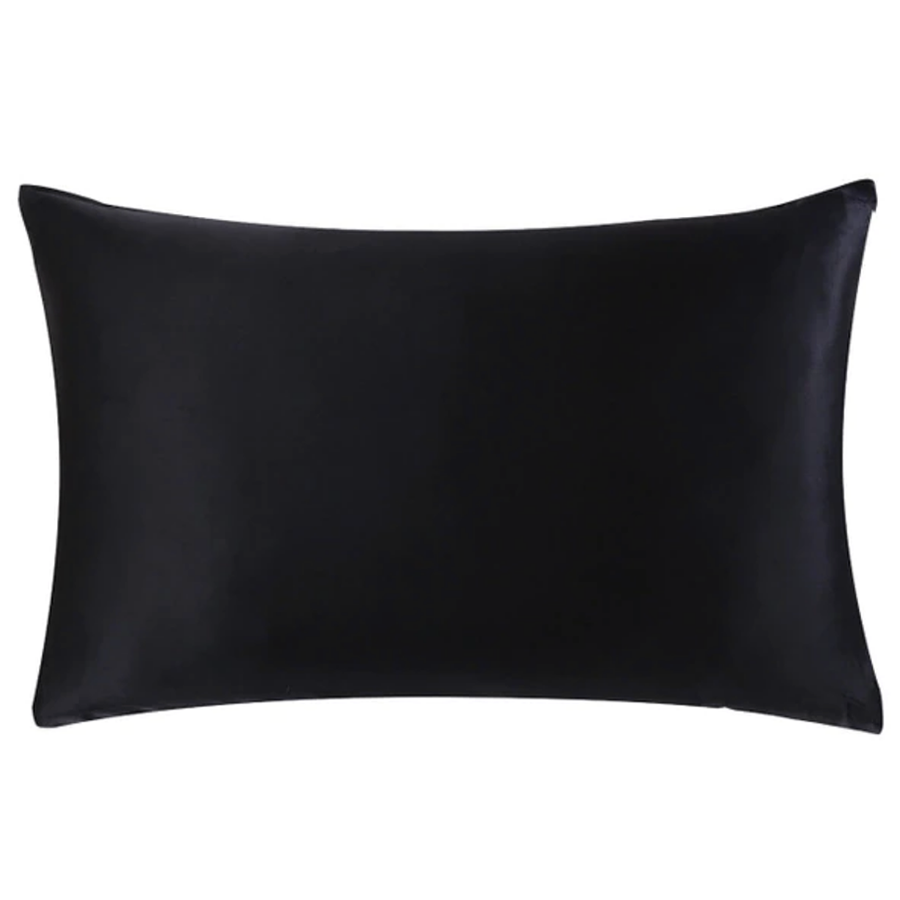
This case is 51 cm by 76 cm, the standard Irish pillow size, and almost every pillow sold here is that. If yours is a king, or a contoured memory foam shape, measure before you order. A case stretched over a pillow it was not cut for wears at the seam, and that is the one failure that is not the fabric's fault.
Silk or satin: know which you are buying
Satin is a weave; silk is a fibre. A satin can be woven from silk or from polyester, so the word on its own tells you nothing about the material. This page is silk. The Satin Silk Pillowcase on this site is a satin weave in 100 per cent polyester, glides in much the same way, and costs a good deal less. Both are worth owning. They are priced and described separately here on purpose.
The number that matters is momme
Momme is a weight, not a thread count. Silk thread is too fine to count usefully, so a standard piece is weighed. 22 momme is what we use for pillowcases: 19 is perfectly good and wears through sooner, and anything much heavier starts behaving like curtain silk.
Grade tells you about the fibre, not the finish
6A is the long fibre grade. It is what keeps the surface even, and it is the difference between a case that is still smooth in year three and one that pills along the seam in year one.
Pick the colour for the room, not for the silk
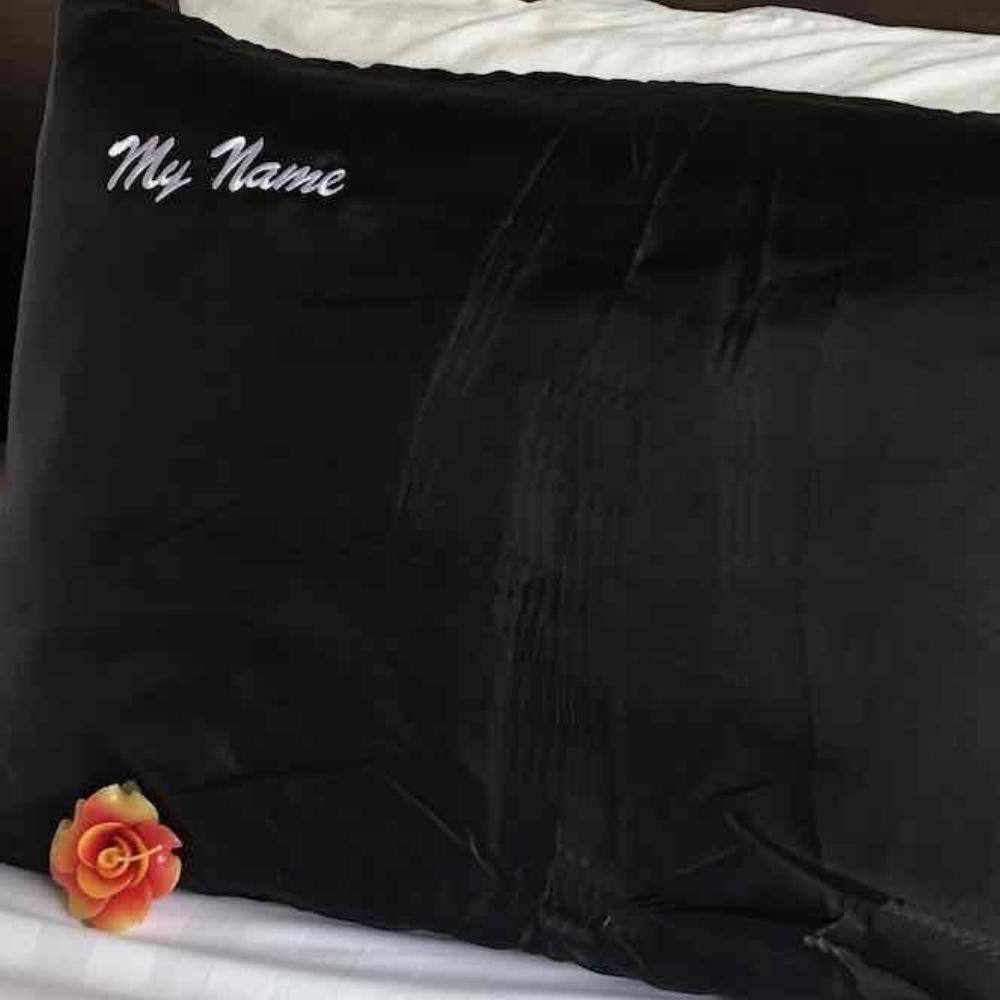
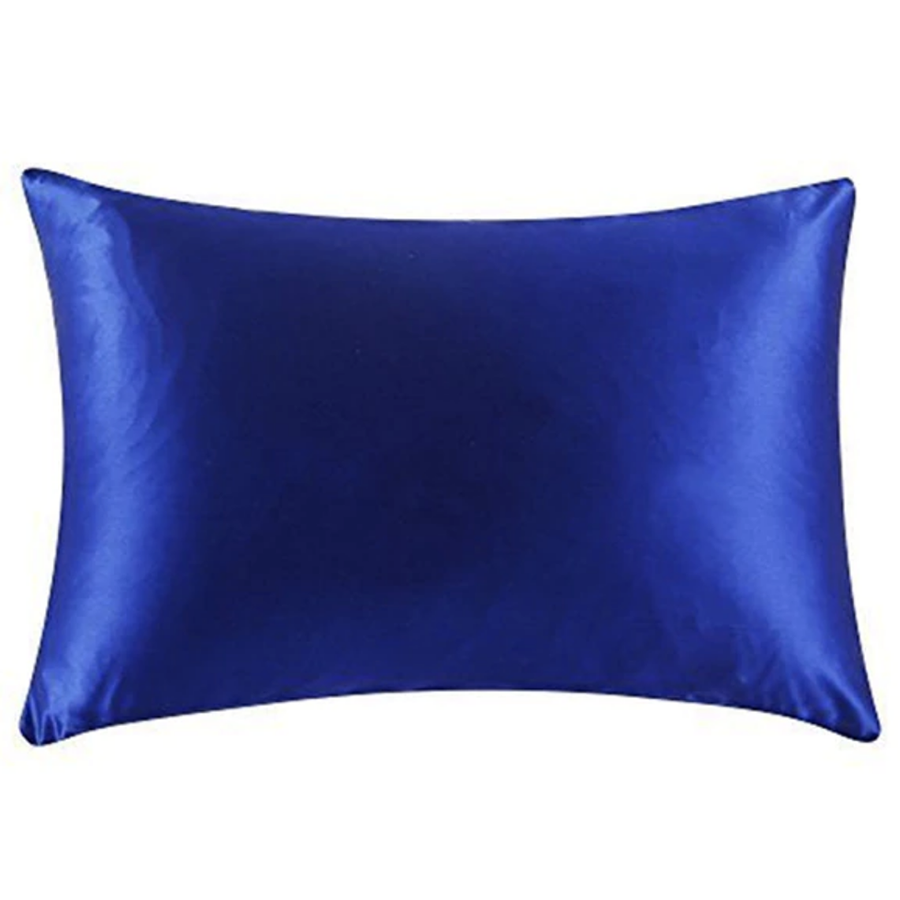
Every colour here is the identical fabric at the identical price. What changes is how it lives: black and silver forgive marks between washes, white and light blue show them soonest and can also take a silk-safe stain treatment that a dyed case cannot.
Wash it the boring way
Cold water, 30 degrees or below, hand wash or a gentle machine cycle in a mesh bag. Use a detergent with no enzymes and no bleach. Air dry out of direct sun and keep it out of the dryer. Iron on the lowest setting if you iron it at all.